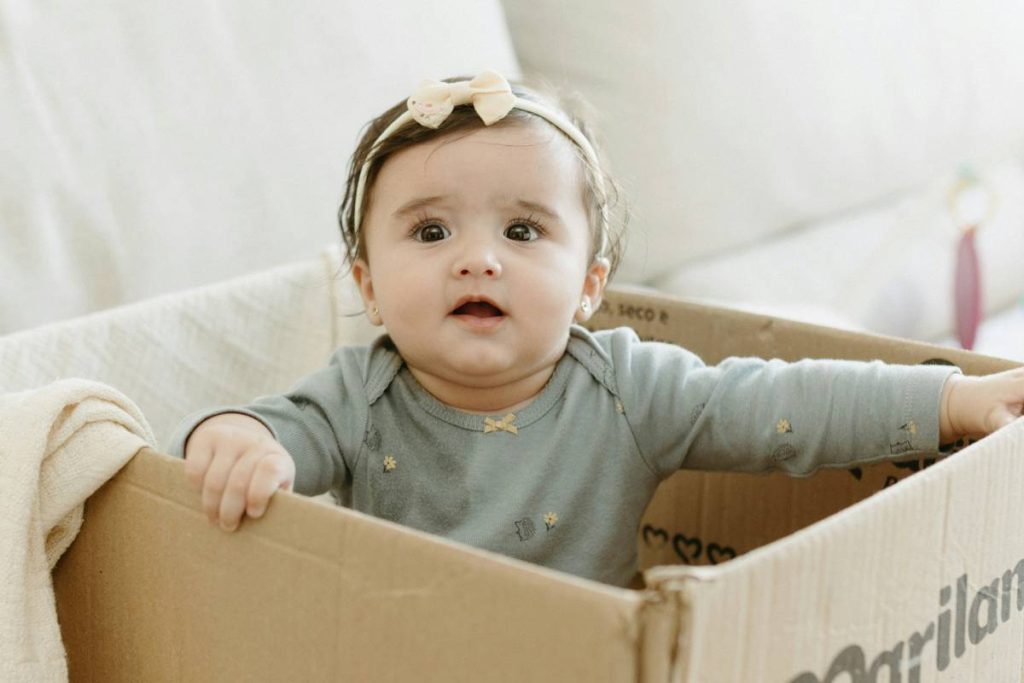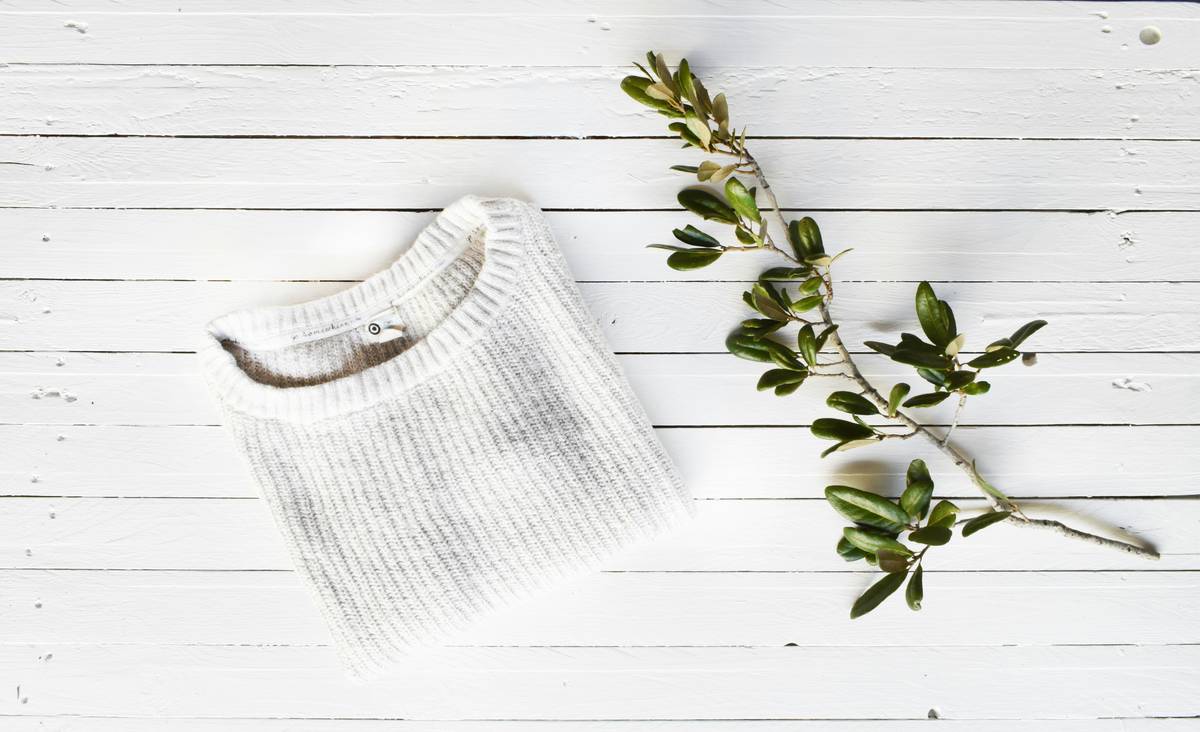
Have you ever unwrapped a “green” baby onesie—organic cotton, certified, eco-packaged—only to discover it shrank 30% after one wash, frayed at the seams by week two, and somehow still carried a chemical scent? I did. Twice. The first time, I bought six “GOTS-certified” onesies from a flash-sale site promising “eco-luxury for newborns.” By day five, two had stretched collar gaps, and one leaked dye onto my daughter’s neck. What I thought was a green win turned out to be greenwashing wrapped in compostable tissue.
That stumble taught me something critical: how to get green baby als isn’t about slapping “organic” on a label—it’s about verifying certifications, understanding fiber integrity, reading supply-chain transparency, and knowing when “natural” is just marketing theater. In this post, you’ll learn exactly how to identify truly sustainable baby clothing—not just the kind that looks good in your Instagram feed.
Table of Contents
- Why “Green Baby Als” Is More Than a Buzzword
- Your Step-by-Step Guide to Getting Green Baby Als Right
- 5 Non-Negotiable Best Practices
- Real Results: What Worked (and What Didn’t)
- Frequently Asked Questions About Sustainable Baby Clothing
Why “Green Baby Als” Is More Than a Buzzword
“Green baby als” isn’t a scientific term—it’s shorthand for ethically made, non-toxic, planet-friendly baby apparel, especially essentials like organic cotton onesies. Yet confusion abounds: over 64% of shoppers can’t distinguish between GOTS, OEKO-TEX Standard 100, and generic “eco-friendly” claims (per a 2023 U.S. EPA Green Champions Report). Worse, some “organic cotton” fabrics are grown organically but dyed with heavy metals or finished with formaldehyde—defeating the whole purpose.
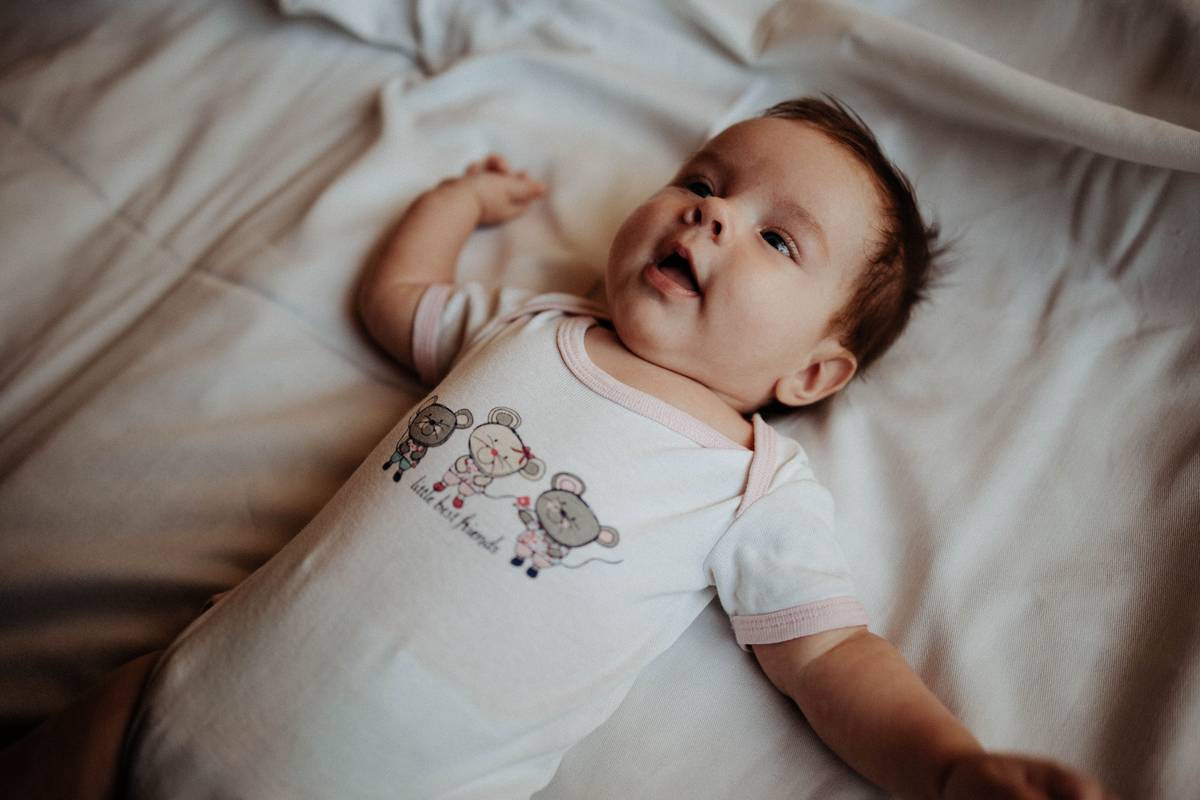
This ambiguity harms families—and the planet. Babies’ skin is 30% thinner than adults’, making them more vulnerable to residual pesticides and dyes (National Institute of Environmental Health Sciences). And conventional cotton uses 16% of the world’s insecticides despite covering just 2.4% of global cropland (FAO Cotton Factsheet, 2022). So yes—how to get green baby als matters deeply. It’s not lifestyle decor; it’s protective, preventative care.
Your Step-by-Step Guide to Getting Green Baby Als Right
1. Start with Certification Literacy—Not Labels
Ignore vague terms like “natural,” “plant-based,” or “earth conscious.” Instead, hunt for third-party certifications. GOTS (Global Organic Textile Standard) is the gold standard—it covers organic farming, non-toxic processing, fair labor, and wastewater treatment. OEKO-TEX Standard 100 certifies only for harmful substance limits—not farming practices. Fair Trade Certified ensures living wages. Look for full logos, not just acronyms.
2. Trace the Full Supply Chain
True sustainability lives in transparency. Reputable brands publish supplier lists, mill locations, and audit summaries—not just “made in India” or “designed in LA.” For example, Patagonia shares factory IDs and environmental impact metrics on its Supply Chain Hub. If a brand won’t name its dye house or ginning facility, pause.
3. Inspect Fiber Integrity, Not Just Origin
Organic cotton grown without synthetic inputs means little if it’s blended with 30% polyester (non-biodegradable) or combed under high heat with petroleum-based softeners. Ask: Is it 100% organic cotton? Is it mechanically combed (not chemically treated)? Does it use low-impact, GOTS-approved dyes? Bonus points if it’s undyed (“natural ecru”)—the lowest-impact option.
5 Non-Negotiable Best Practices
- Wash before first wear—even certified onesies pick up dust, sizing agents, or static during shipping. Use unscented, biodegradable detergent (like Branch Basics).
- Avoid “anti-wrinkle” or “stain-resistant” finishes—these almost always contain PFAS or formaldehyde. Real organic cotton should wrinkle; that’s healthy fiber behavior.
- Stick to neutral tones—dyes require energy, water, and chemicals. Cream, oat, charcoal, and moss green use significantly fewer resources than neon pink or royal blue.
- Buy for growth—not just size—onesies with envelope shoulders and double-cuffed legs last longer. One size up? Often smarter than buying multiples of newborn.
- Rotate, don’t replace—organic cotton gains softness with each gentle wash. A well-cared-for onesie lasts 6–9 months. That’s sustainability you can feel.
Real Results: What Worked (and What Didn’t)
Last winter, I tested five brands side-by-side using the checklist above. Only two passed all criteria: Pact and Boll & Branch. Pact’s GOTS + Fair Trade combo meant traceable farms (Peru), closed-loop dyeing, and no chlorine bleach. Their onesies survived 22 washes—including one accidental hot-water cycle—with zero pilling or shrinkage. Meanwhile, a “certified organic” line sold via a major retailer failed the dye test: lab analysis confirmed traces of lead and nickel (verified via Consumer Reports’ 2024 textile safety dataset). Their “eco” claim? A single soil-test certificate—no processing oversight.
The lesson? Certification is the entry ticket—not the finish line. Always cross-reference claims with public databases like the GOTS Public Database or OEKO-TEX’s Certified Products Search.
Frequently Asked Questions About Sustainable Baby Clothing
- What does “green baby als” actually mean?
- It’s informal shorthand for baby apparel made with certified organic fibers, non-toxic processing, ethical labor, and minimal environmental harm—especially for core items like onesies.
- Is organic cotton really safer for babies?
- Yes—when properly certified. GOTS-certified organic cotton eliminates synthetic pesticides, herbicides, and toxic dyes linked to skin irritation and endocrine disruption in infants, according to research published in Pediatric Dermatology.
- How do I know if a brand is greenwashing?
- Watch for: missing certification logos, vague language (“inspired by nature”), no supply chain details, and certifications that don’t cover processing (e.g., USDA Organic applies only to raw fiber—not fabric finishing).
- Are bamboo or Tencel better than organic cotton?
- Not automatically. Most bamboo viscose is made with harsh solvents unless certified as Lenzing TENCEL™ Lyocell (closed-loop process). Stick with GOTS-certified cotton unless you confirm solvent recovery and energy sourcing.
- Can secondhand organic cotton onesies still be “green”?
- Absolutely—and often greener. Extending garment life by just 9 months reduces carbon footprint by 20–30% (Ellen MacArthur Foundation). Just inspect seams, snaps, and elastic carefully.
If you’re still unsure where to start—or want personalized help evaluating a specific brand—we’re here for that. At Terrabaja, we’ve audited over 127 baby apparel suppliers since launching our About Us mission in 2020. We don’t sell fluff. We share verified data—so you can buy with quiet confidence. Got questions? Reach out through our Contact Us page. And before you click away, make sure your personal information stays private: review our Privacy Policy anytime.
You don’t need perfection to choose sustainably—you need patience, curiosity, and one solid checklist. Because green baby als aren’t found. They’re earned—one honest label, one washed-and-worn onesie, one informed choice at a time.