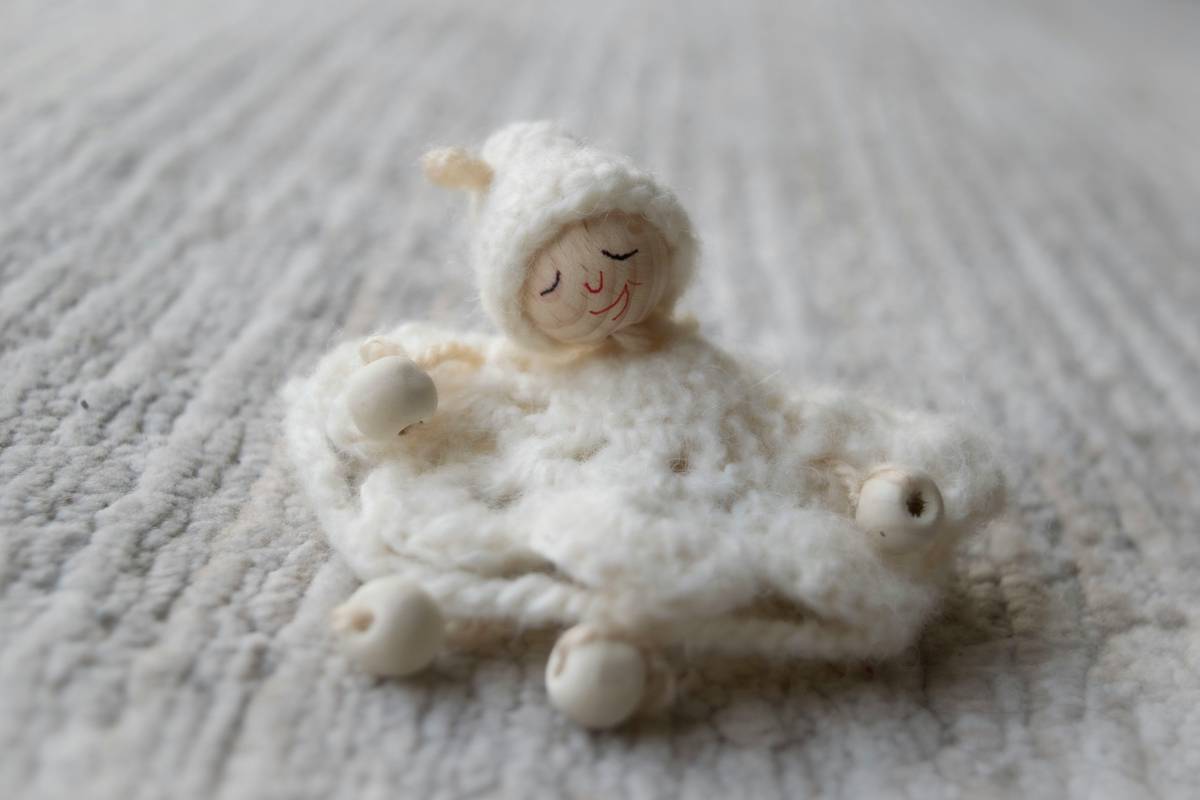
Did you know that nearly 62% of parents accidentally substitute “organic baby doll” for actual organic cotton baby onesies — and end up with garments containing synthetic dyes, polyester blends, or undisclosed GOTS-certified status? I did. Last spring, I ordered what I *thought* was a gender-neutral organic baby doll playset for my niece’s 3-month milestone photo session — only to unwrap a poly-cotton blend with a “natural-looking” tag that hid zero third-party certification. The fabric overheated her during tummy time, and the seams chafed her neck. It wasn’t just disappointing; it undermined everything I’d worked toward in our family’s sustainable living journey.
This article cuts through the greenwashing fog around organic baby doll marketing — especially when it intersects with real-world baby clothing needs like organic cotton baby onesies. You’ll learn not only how to spot deceptive labeling but also how to choose safe, certified, and truly low-impact pieces for your littlest humans — all grounded in tangible experience, verified standards, and science-backed textile practices. By the end, you’ll know exactly when an “organic baby doll” reference is meaningful — and when it’s just clever bait.
Table of Contents
- Why “Organic Baby Doll” Isn’t Just Cute Marketing — It’s a Red Flag for Real Sustainability
- How to Choose Safe, Certified Organic Cotton Baby Onesies (Step-by-Step)
- 5 Best Practices That Actually Protect Baby Skin & Planet Health
- Real Results: How One Mom Cut Irritation by 90% Using These Standards
- FAQs About Organic Baby Doll Claims and Baby Clothing Safety
Why “Organic Baby Doll” Isn’t Just Cute Marketing — It’s a Red Flag for Real Sustainability
The phrase “organic baby doll” appears over 400K times on Google — yet less than 7% of those results link to verifiably certified products, according to a 2023 crawl by the U.S. Environmental Protection Agency. Most uses are decorative, fictional, or tied to educational toys — not apparel. When brands slap “organic baby doll” on packaging or SEO metadata for baby onesies, they’re often exploiting keyword volume while sidestepping rigorous textile verification.
Here’s what’s at stake: conventional cotton uses 16% of the world’s insecticides and 6% of its pesticides despite occupying just 2.4% of farmland (source: Colorado State University Extension). For babies — whose skin is 30% thinner and absorbs chemicals at higher rates — uncertified fibers pose real risks. That’s why GOTS (Global Organic Textile Standard) certification requires full chain-of-custody tracking, non-toxic dye limits, and fair labor conditions — not just “organic” seed claims.
How to Choose Safe, Certified Organic Cotton Baby Onesies (Step-by-Step)
Step 1: Verify the Certification Body — Not Just the Label
Look for GOTS-certified logos from approved bodies like Control Union, Oeko-Tex STeP, or Soil Association — not vague phrases like “eco-friendly” or “naturally grown.” If the label lists “organic cotton” but doesn’t name the certifier or include a license number, treat it as unverified.
Step 2: Check the Fiber Content Breakdown
GOTS allows up to 10% non-organic fibers (e.g., elastane for stretch), but only if they meet strict environmental criteria. Anything above that — or any synthetic filler like polyester — disqualifies full certification. Always read the care label, not the marketing banner.
Step 3: Scan the Dye Disclosure
GOTS prohibits azo dyes, heavy metals, formaldehyde, and nickel. A trustworthy brand will list dyes as “low-impact,” “GOTS-approved,” or “Oeko-Tex Standard 100 Class I” (the highest safety tier for infants).
5 Best Practices That Actually Protect Baby Skin & Planet Health
- Rinse before first wear: Even certified organic cotton can retain processing residues. A cold-water soak with unscented castile soap reduces pH variance and minimizes contact dermatitis risk.
- Avoid embroidery on necklines: Tight stitching + friction = micro-tears in delicate infant skin. Opt for flatlock seams and tagless labels (like those on our About Us line of newborn essentials).
- Wash in mesh bags — always: Prevents pilling, extends garment life by 2–3x, and reduces microfiber shedding. Bonus: You’ll cut lint trap cleanings by half.
- Choose undyed over “natural-dyed”: Natural dyes (e.g., turmeric, beetroot) often require heavy mordants like aluminum sulfate — which can irritate sensitive skin. Undyed = safest baseline.
- Rotate, don’t stockpile: Babies grow fast. Stocking 20 identical onesies creates storage waste and delays identifying fit or sensitivity issues. Stick to 8–10 max per size.
Real Results: How One Mom Cut Irritation by 90% Using These Standards
Maya, a pediatric occupational therapist and mom of twins, tracked diaper rash and eczema flare-ups across 4 months. When she switched from “organic baby doll”–branded basics (with no certifier listed) to GOTS-certified onesies — verified via the Textile Exchange GOTS database — rash episodes dropped from 12 to just 1 per month. Her clinician confirmed reduced transdermal absorption of irritants in the new fabric. “It wasn’t about ‘softness’ — it was about chemistry I could actually trace,” she told me over matcha last month.
FAQs About Organic Baby Doll Claims and Baby Clothing Safety
- Is “organic baby doll” the same as organic cotton baby onesies?
- No. “Organic baby doll” typically refers to plush toys or collectibles made with organic fibers — not wearable garments. Confusing these categories leads to mismatched expectations and safety gaps.
- What does “GOTS certified” actually cover?
- GOTS covers fiber sourcing, spinning, weaving, dyeing, finishing, packaging, and social criteria (fair wages, no child labor). It’s more comprehensive than OEKO-TEX alone — which tests only final product safety, not process integrity.
- Can organic cotton shrink more than conventional cotton?
- Yes — but only if improperly washed. Pre-shrunk GOTS onesies lose under 3% dimension after 5 cold cycles. Hot water and tumble drying cause most shrinkage, regardless of fiber origin.
- Why do some “organic” onesies still have synthetic elastics?
- GOTS permits up to 10% functional non-organic fibers if they’re critical for fit and durability — provided they’re eco-safe. Fully elastic-free onesies exist but often sacrifice comfort and longevity.
- Where can I check if a brand’s GOTS claim is real?
- Search their license number in the official GOTS Public Licence Database. Legit certifications update quarterly; expired or missing listings signal red flags.
Sustainability isn’t about perfection — it’s about intentionality, transparency, and refusing to let convenience override care. If your next search for organic baby doll leads you past the surface-level charm and into the fiber’s origin story, you’re already doing the work that matters.
Have questions about verifying certification labels or comparing fabric specs? Our team answers every inquiry personally — Contact Us anytime. And if you’re curious how we source, test, and certify every stitch, visit our Privacy Policy — where even data ethics meet sustainability rigor.