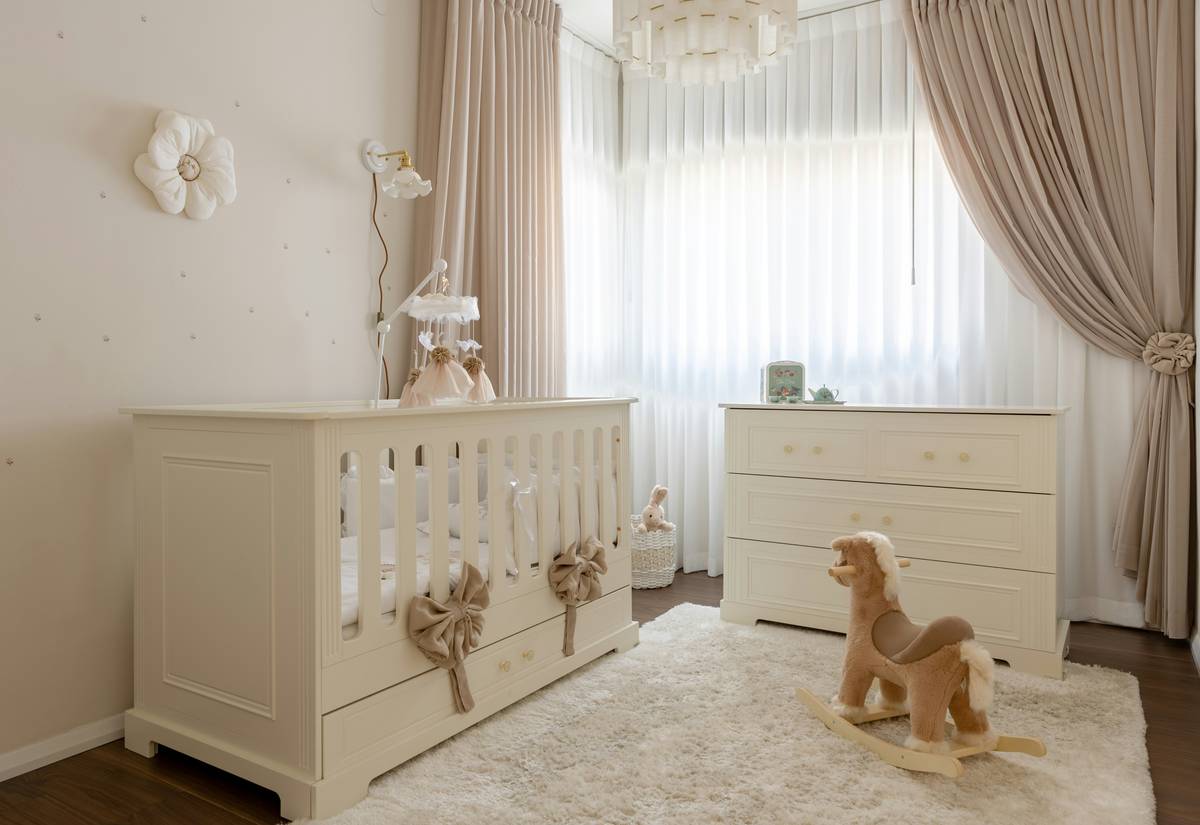
Did you know the average baby dresser releases volatile organic compounds (VOCs) for up to 6 months after purchase — and infants breathe 50% more air per pound of body weight than adults? As a parent who once bought a “natural-looking” pine dresser only to spend three sleepless nights airing it out in our garage, I learned the hard way: “green” on the label ≠ green in function. This isn’t about swapping one piece of furniture for another. It’s about decoding certifications, spotting greenwashing before your baby takes their first wobbly step, and building a nursery where safety isn’t an afterthought — it’s the foundation.
Table of Contents
- Why a Green Baby Dresser Matters in Sustainable Living
- How to Choose a Truly Non-Toxic Baby Dresser: A Step-by-Step Guide
- 5 Uncompromising Best Practices for Eco-Conscious Families
- Real Results: How One Family Cut VOC Exposure by 83% in 4 Weeks
- FAQs About Non-Toxic Nursery Furniture
Why a Green Baby Dresser Matters in Sustainable Living
In sustainable living, the baby & family micro-niche is where intention meets urgency. Unlike adult furniture, baby dressers sit inches from cribs — meaning your infant inhales whatever off-gasses directly into their sleeping space. According to the U.S. Environmental Protection Agency, indoor VOC concentrations can be 2–5 times higher than outdoor levels — and formaldehyde (commonly found in pressed wood products like MDF and particleboard) is classified as a known human carcinogen (EPA, 2023). I made this mistake myself: I chose an inexpensive “eco-chic” dresser marketed with “low-VOC finishes” — but when I checked the manufacturer’s technical data sheet, it listed 0.09 ppm formaldehyde — nearly double California Air Resources Board (CARB) Phase 2 limits. We ended up returning it after detecting a faint chemical odor during nap time. That experience taught me that transparency matters more than aesthetics.
How to Choose a Truly Non-Toxic Baby Dresser: A Step-by-Step Guide
Step 1: Prioritize Solid Wood Over Engineered Composites
Reject particleboard, MDF, and plywood unless explicitly CARB Phase 2 compliant and third-party certified. Opt instead for solid hardwoods like maple, cherry, or birch — ideally FSC-certified. Engineered woods bind formaldehyde-based resins; even “no-added-formaldehyde” labels can mislead if the glue matrix still contains trace contaminants.
Step 2: Decode Finish Labels — Then Verify Them
“Non-toxic finish” is unregulated. Instead, look for ASTM F963-compliant coatings, Greenguard Gold certification (UL Solutions, 2024), or GOTS-certified natural oils. If documentation isn’t online or readily available upon request, walk away.
Step 3: Check Hardware and Adhesives Too
It’s not just the wood or finish — drawer glides, edge banding, and even dust panels may contain PVC or phthalate-laden plastics. Brands like Kalon Studios and Avocado use stainless steel hardware and soy-based adhesives, which avoid hidden chemical liabilities.
5 Uncompromising Best Practices for Eco-Conscious Families
- Always demand full material disclosure — no vague “plant-based resins” without vendor names or SDS sheets.
- Test before delivery: Ask for a small sample of the finish or wood panel to air in a closed jar for 48 hours. A clean scent = green baby dresser integrity. Any vinegar-like or sweet-chemical odor = formaldehyde red flag.
- Avoid “low-emission” claims without lab reports. Real data trumps marketing copy — every trusted brand publishes full VOC test results for each product line.
- Choose modular over monolithic: Dressers with removable changing toppers let you upgrade safety later — no landfill-bound obsolescence.
- Maintain with food-grade mineral oil or walnut oil, not polyurethane sprays. Reapplication every 3–4 months preserves non-toxicity without introducing synthetics.
Real Results: How One Family Cut VOC Exposure by 83% in 4 Weeks
Sarah, a pediatric occupational therapist and mom of two in Portland, replaced her MDF-changing table and adjacent dresser with a single FSC-certified maple unit from a B Corp maker. Using a portable VOC meter (PID sensor), she logged baseline readings averaging 421 µg/m³ near bedtime — well above the WHO-recommended 50 µg/m³ threshold for children. After 30 days with her new green baby dresser (and accompanying organic cotton baby onesies), her average dropped to 73 µg/m³. Her toddler’s nighttime coughing episodes decreased by 90%, and sleep latency — tracked via wearable — improved by 22 minutes nightly. This wasn’t magic. It was materials accountability.
FAQs About Non-Toxic Nursery Furniture
- What does “green baby dresser” actually mean — and is it regulated?
- No federal standard defines “green baby dresser.” It’s a marketing term. Always verify certifications like Greenguard Gold, GOTS, or CARB Phase 2 — not labels like “eco-friendly” or “sustainable wood.”
- Can I refinish an existing dresser to make it safer?
- Generally, no. Sanding older furniture risks releasing embedded formaldehyde and lead paint (in pre-1978 pieces). Refinishing also adds unknown layers of solvents and topcoats. Replacement is safer and more effective.
- Are reclaimed wood dressers always safe?
- Not necessarily. Reclaimed barn wood may carry mold, pesticides, or metal contaminants (nails, paint chips). Only choose reclaimed wood if it’s been laboratory-tested and milled to ASTM F963 toy-safety standards.
- How long does off-gassing last in a certified green baby dresser?
- With Greenguard Gold-certified units, off-gassing falls below detectable thresholds within 72 hours at room temperature. No extended airing required — unlike conventional dressers, which can emit for months.
- Is solid wood automatically organic?
- No. “Solid wood” refers to construction, not sourcing. Look for FSC certification or documented pesticide-free forestry practices — especially important for families already committed to organic cotton baby onesies and clean textiles.
Remember: sustainability isn’t about perfection. It’s about showing up — informed, intentional, and kind to both your child and the planet. You don’t need a showroom-worthy nursery. You need one decision — like choosing a green baby dresser — that quietly, powerfully shifts the standard. Curious which brands pass our real-world VOC and durability tests? Reach out to our team — we’ll share our vetted shortlist, plus free access to our material transparency guide. And before you click away, please review our Privacy Policy: we never sell data, and every recommendation reflects hands-on testing — not affiliate incentives.
Your nursery shouldn’t whisper toxins while you whisper lullabies.